Skip to content
7 min read · Updated June 2026
Henk WolffHenk WolffStrategic Director

Most operators choose their iGaming platform backwards. They sit through three vendor demos, like the slickest interface, and sign. Six months later they are locked into a revenue share they cannot exit, running on a stack that does not fit their market. The platform is one of the few decisions in this industry that is genuinely hard to reverse, so it deserves more than a demo and a gut feeling. This is how I think about it operator-side: the real trade-offs between white label, turnkey, and build, and how to pick without being sold to.

The three options, in plain terms

There are really only three ways to get a casino or sportsbook live.

White label. You launch under someone else’s licence and platform, with your own brand on top. It is the fastest route to market and the lowest upfront cost. The provider handles the licence, payments, games, and compliance plumbing. In return they take a share of revenue and a large slice of control.

Turnkey. You take a ready-built platform but hold your own licence and your own commercial relationships with payment and game providers. More setup, more cost, and more responsibility than white label, but far more control and a much better economic model at scale.

Build. You build the platform yourself, or commission a bespoke one. Maximum control and maximum cost, with a long timeline and real technical risk. Only a few operators should do this, and most who try it underestimate what it takes.

The honest version of this decision is in my build vs buy guide. This page is the level above it: which of the three models fits your situation at all.

What you are really trading

Strip away the sales language and every platform decision trades the same four things.

Control. White label gives you the least. You cannot easily change providers, add a market, or customise the product, because it is not really yours. Turnkey and build give you progressively more. If you plan to differentiate on product or run your own promotions engine, low control will strangle you.

Cost shape. White label is cheap to start and expensive forever, because the revenue share never stops. Turnkey costs more upfront and far less per euro of revenue once you scale. Build is the most expensive to create and the cheapest to run if it works. The right answer depends on how big you realistically expect to get. The full picture sits in online casino startup costs.

Speed. White label can be live in weeks. Turnkey takes months. Build takes a year or more. If a market window is closing, speed can outweigh everything else, but only if you have an exit plan for the model you outgrow.

Lock-in. This is the one operators feel last and regret most. The cheaper and faster the route, the harder it usually is to leave. Read the exit terms before you read the feature list.

How to choose

Four questions settle most of it.

How big will you realistically get? If you are testing one small market, white label is a sensible, low-risk start. If you intend to scale across markets and brands, the white label economics will hurt you, and you should start on turnkey or plan to migrate early.

Do you need to own the product? If your edge is brand, content, or a specific player experience, you need control, which rules out white label. If you just need a competent casino live and fast, control matters less.

What is your real technical and operational capacity? Build is only for operators with serious in-house engineering and the patience to match. Most operators who think they should build should not.

What does the exit look like? Every model is a stage you may outgrow. Before you sign, know exactly how you leave: the notice period, who owns the player data, and what a migration would cost. The vendor checks that matter are in my iGaming due-diligence checklist.

Where operators get burned

The same traps recur. Revenue shares that look small at launch and become enormous at scale. Player data you do not actually own, which makes leaving almost impossible. Game content tied to the provider, so a switch means rebuilding your lobby. And migration projects that were never scoped, because nobody planned to leave the platform they were sold as forever.

None of these are reasons to avoid white label or turnkey. They are reasons to read the contract as carefully as the pitch, and to choose the model that matches where you are going, not just where you are starting.

A straight recommendation

For most new entrants testing a market, start on white label and plan the exit from day one. For operators serious about scale, brand, or multiple markets, turnkey is usually the right base. Build only if you have the engineering depth and a genuine reason that off-the-shelf cannot serve.

This is exactly the kind of call we make with operators, and then run end to end. iGaming Consultant works as a consultancy that also executes, for more than 40 operators: we run the platform selection independently of any vendor, map your data and exit terms before you sign, and manage the migration if you are moving off a model you have outgrown. If you are weighing this decision now, start a conversation before you commit, or see how it fits the wider launch sequence.

FAQ

What is a white label casino?

A white label casino is an online casino launched under a provider’s licence and platform, with your own brand on top. The provider supplies the licence, games, payments, and compliance, and takes a share of your revenue. It is the fastest and cheapest way to launch, with the least control.

What is the difference between white label and turnkey casino?

With white label you operate under the provider’s licence and platform. With turnkey you take a ready-built platform but hold your own licence and your own payment and game contracts. Turnkey costs more and takes longer to set up, but gives you far more control and better economics at scale.

Should I build my own iGaming platform?

Rarely. Building gives maximum control and the lowest long-run cost, but it needs serious in-house engineering, a year or more of time, and real technical risk. Most operators who consider building are better served by a turnkey platform unless they have a specific reason off-the-shelf cannot meet.

How much does a white label casino cost?

Upfront costs are low, often a setup fee plus monthly platform charges. The real cost is the ongoing revenue share, which never stops and grows with your success. Turnkey costs more to start but far less per euro of revenue once you scale, which is why the right choice depends on how big you expect to get.

Question this raises
for your operator?

WhatsApp me with the specific situation. Same-day reply with a real read on whether this insight actually applies.

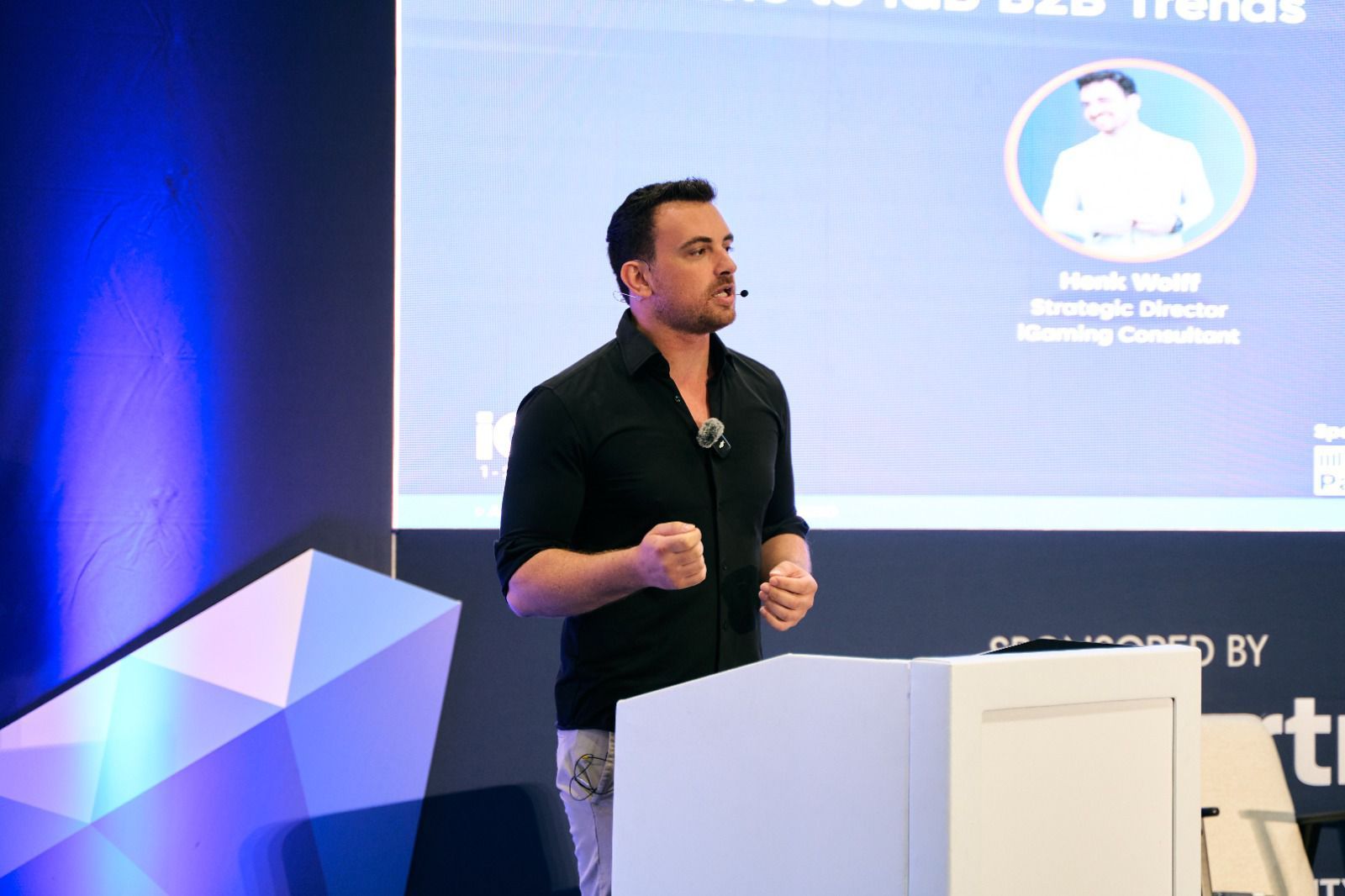
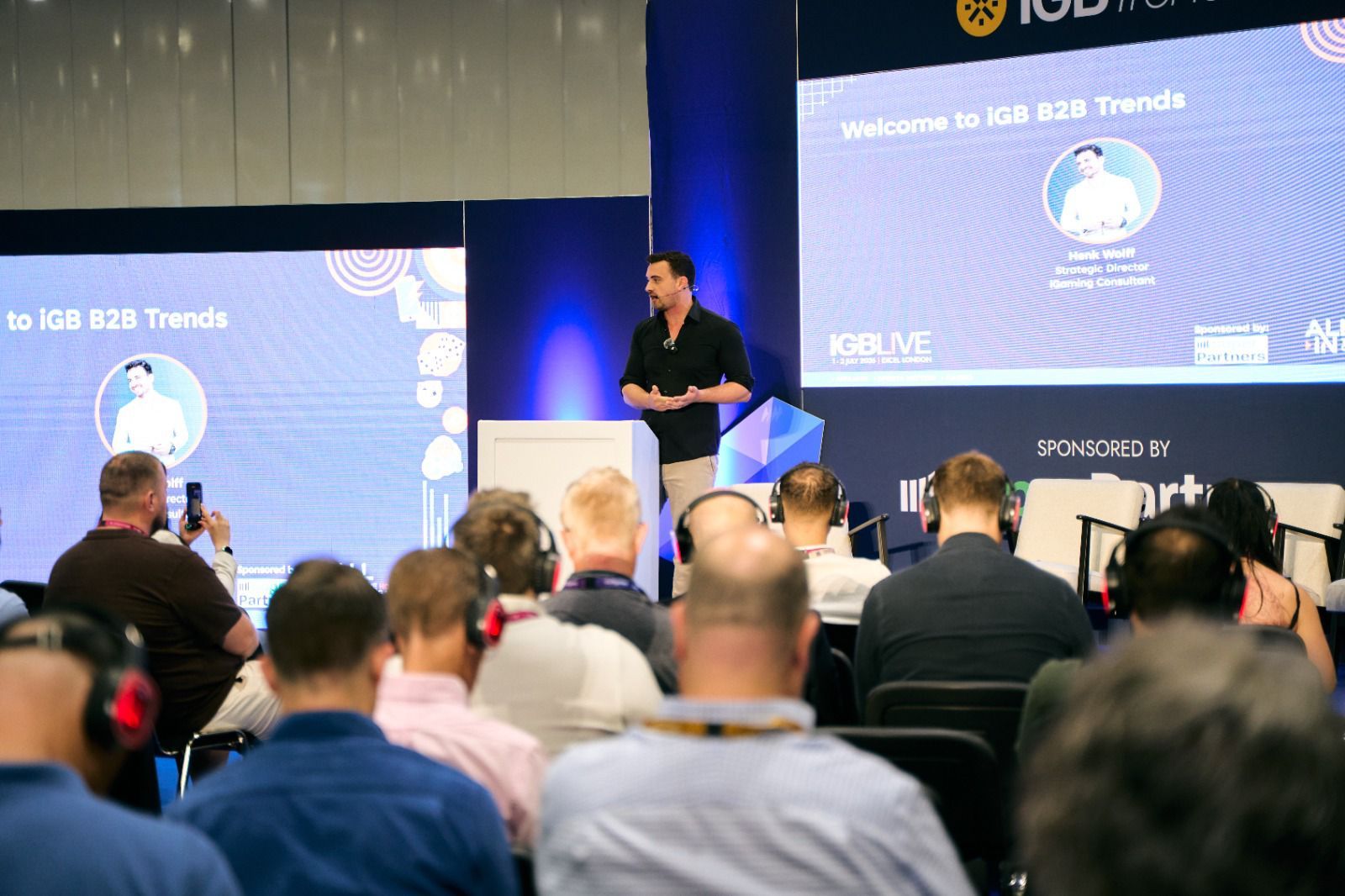
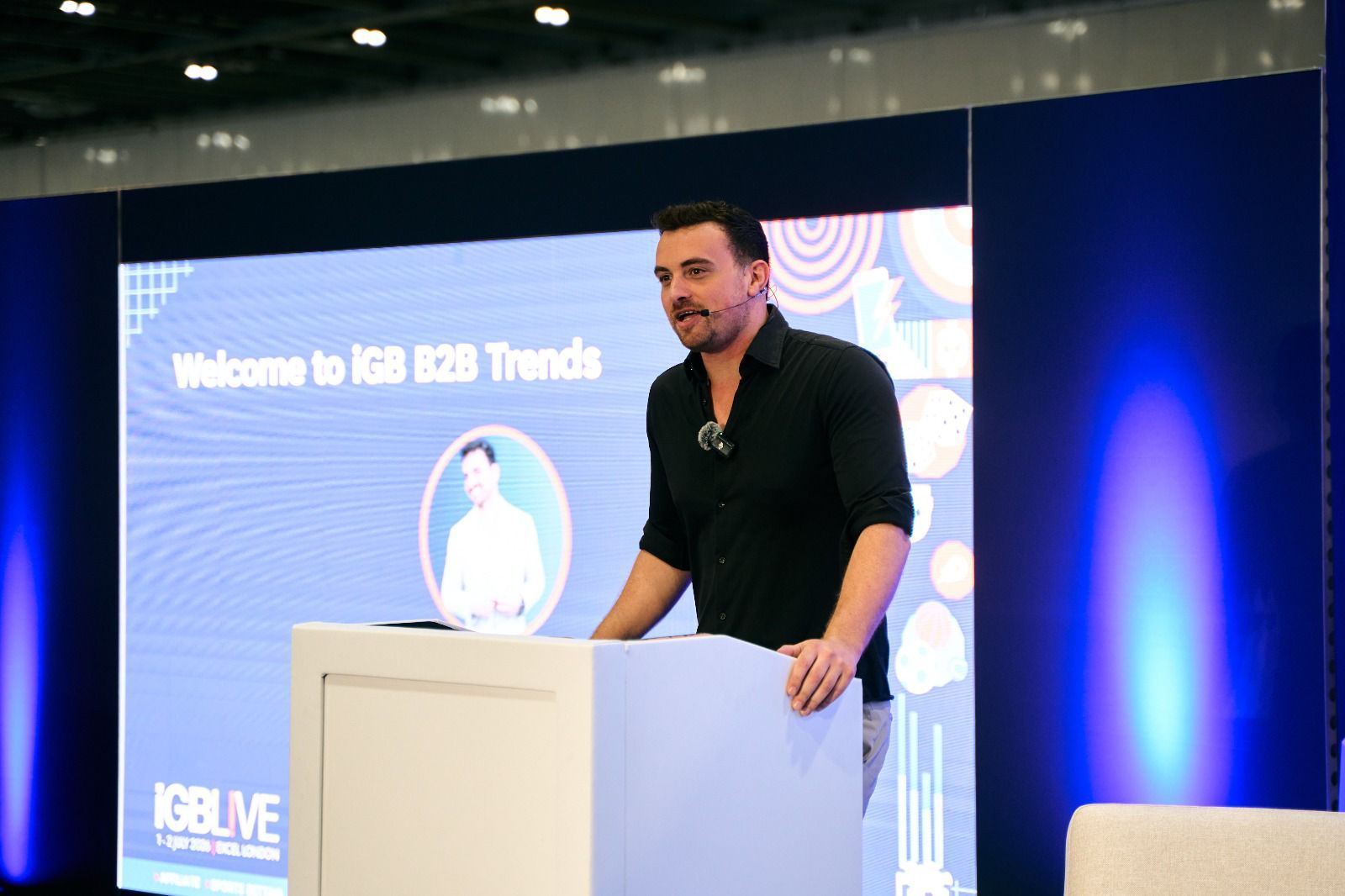
iGB London · 1-2 July 2026
Meet me at iGB London, 1-2 July 2026.
WhatsApp