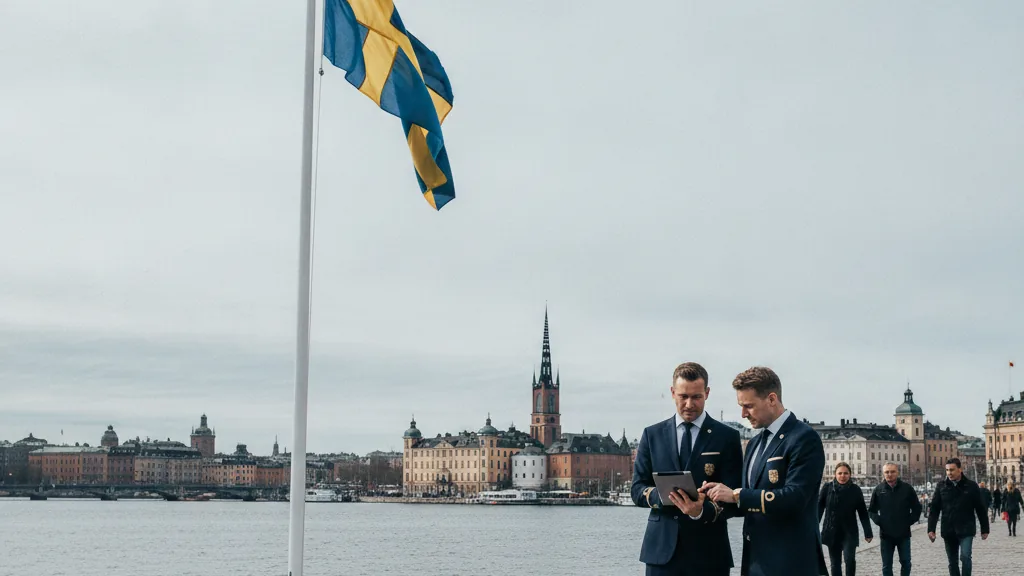
Sweden was held up as the model for European regulated markets when it launched in 2019. The framework was clean, the regulator was credible, channelisation peaked above 90% in the early years, and operators competed on a recognisable level playing field. Six years on, the picture is more nuanced. Channelisation has fallen toward 75% in some product categories. Marketing rules have tightened. The 2026 credit card ban has compressed a specific acquisition channel. The market remains workable for operators with the right profile but the easy years are over.
1. The Swedish market in 2026
The licensed Swedish market spans roughly seventy operators across casino, sports betting, and lottery products. Total online gambling spend by Swedish players is meaningful but the share captured by licensed operators has been declining steadily - covered in detail in the channelisation insight. The structural drivers: tightening marketing rules, deposit limit framework that limits high-spend player retention, and offshore competition that operates without the Swedish constraints.
For new entrants, the implication: Sweden remains a credible regulated market with mature payment infrastructure (BankID is the cleanest authentication system in any European market) and a sophisticated player base, but it is no longer the high-channelisation easy-economics market it was at launch. New operators need genuine differentiation to compete against the established licensed base.
2. The Spelinspektionen licence framework
Spelinspektionen issues licences for online casino, online betting, lottery, and other product categories. Operators offering multiple verticals need licences for each.
Application fees: 700,000 SEK for the casino licence application. Annual fees scale with operator size. Application processing typically runs three to six months for substantive applicants. The Swedish process is generally efficient and predictable; documented operators with credible operational frameworks clear application without major delays.
Required local presence: not strictly required to have a Swedish entity but operators must have arrangements for player support in Swedish, segregated player funds, and operational infrastructure that supports Spelinspektionen oversight. Many operators establish a Swedish entity for operational reasons even where not strictly mandated.
Tax structure: 22% of GGR. Materially better than the Dutch 37.8% rate, comparable with Spanish 20% and broader European norms. The tax structure is workable for credible operators with reasonable acquisition cost discipline.
3. Spelpaus, BankID, and player protection
Three operational requirements distinguish the Swedish compliance build:
Spelpaus integration. Spelpaus.se is the central Swedish self-exclusion register. Real-time integration is required for licensed operators with status checks at registration, login, and deposit. Self-exclusion applies simultaneously across all licensed operators.
BankID authentication. Sweden has one of the cleanest player authentication frameworks in Europe via BankID. Operators integrate BankID for onboarding KYC, login authentication, and high-value transaction verification. The integration is operationally clean once built but requires substantive technical infrastructure.
Mandatory deposit and loss limits. Players must set deposit and loss limits at registration. Increases require cooling-off periods. Default limits have tightened over time as the regulatory framework has evolved toward stronger player protection.
Beyond these: AML/CFT framework, marketing approval workflows, technical certification through accredited labs, and regular reporting. Compliance staffing typically runs 3-6 people for credible Swedish operations.
4. The 2026 credit card ban
The 2026 credit card ban for online gambling took effect this year. Players cannot fund online gambling deposits with credit cards on Swedish-licensed operators. The framework specifically targets credit-funded gambling spending as a player protection measure.
Operational impact for licensed operators:
Credit cards historically represented a meaningful share of deposit volume on Swedish operators. The ban has compressed this channel and shifted volume toward debit cards, BankID-authenticated bank transfers, and other approved payment methods. Operators with strong local payment integration absorbed the shift more cleanly than operators dependent on international card processing.
The competitive dynamic: offshore operators serving Swedish players are not constrained by the credit card ban. The framework therefore widens the competitive gap between licensed and offshore operators on payment flexibility - covered in the channelisation insight.
For new entrants, the implication: payment integration depth matters more in Sweden post-ban than pre-ban. Operators with weak local payment integration will see materially lower conversion than operators with proper Swedish payment ecosystem support.
5. Marketing rules - what works
Swedish marketing rules have tightened steadily since 2019. The 2024-2025 enforcement environment has produced multiple substantive fines for marketing-rule breaches. Operators are expected to demonstrate "moderation" in advertising approach, with documented marketing approval workflows and substantive responsible gambling messaging integrated into creative.
What works in Swedish acquisition:
Substantive Swedish-language SEO and content. Direct brand and PR. Quality-tier affiliate programmes - Swedish affiliates operate within the same standards as operators, and the historical comparison-site affiliate model has weakened. Proper CRM and lifecycle marketing once acquired - see the customer journey case study for how retention work compounds.
What works less well: aggressive paid social, broadcast advertising at scale, influencer-led campaigns. The combination of marketing restrictions and Swedish player wariness around heavily-marketed operators produces materially weaker conversion than less-restricted markets.
6. Budget, timeline, and unit economics
Realistic budget for Swedish entry: €1M-€2M to live state for credible operations. Timeline: six to ten months end-to-end. Unit economics are workable at 22% tax with disciplined acquisition cost management - see the startup costs guide for the line-item breakdown.
The 2026 credit card ban impact compresses early-period acquisition somewhat as players adjust to new payment methods. Operators building unit-economics models should assume a 5-10% impact on initial conversion rates relative to pre-ban benchmarks.
7. The honest verdict on Swedish entry
Sweden remains a credible market for the right operator profile. Three operator profiles where Swedish entry makes sense:
Operators with strong Nordic positioning. Sweden alongside Norway (where state-monopoly limits operator licensing) and Finland (pre-licensure but trending toward 2027 framework) creates a regional thesis with shared operational infrastructure and brand positioning.
Multi-market portfolios where Sweden adds incremental scale. Sweden\'s tax structure makes it relatively workable as a portfolio market - better economics than Netherlands, comparable to Spain.
Operators with strong CRM and retention infrastructure. The Swedish player base is sophisticated and rewards operators who deliver quality experience over promotional churn.
For new operators with weak retention, single-product offerings, or aggressive paid-acquisition models, Sweden has become harder than it was in 2019-2022. The structural channelisation erosion compounds the difficulty for new entrants.
Considering Sweden?
Operator profile, target scale, Nordic strategic context. WhatsApp the situation; same-day reply with an honest read on whether Swedish entry fits and how to sequence it within a broader portfolio.
WhatsApp me →