Skip to content

For most of iGaming regulatory history, player protection meant three things. Deposit limits, self-exclusion tools, and reality-check session prompts. Operators built these because the rules required them. Players barely used them. The real question was rarely asked: can this player afford this spending pattern? When it was asked, the answer came through soft-touch contact that led to little action. That model is dying. Operators without measurable affordability frameworks will spend the next two years catching up.

Where the rules are now

UKGC affordability framework. The UK framework is the current state of the art. Light-touch checks apply at lower spending thresholds. Deeper financial risk assessments apply at higher tiers. Operators must check whether spending fits the player's disposable income, document that check, and act when it raises concern. The 2024-2025 rollout of the White Paper provisions clarified the thresholds. In practice, operators now run several tiers of checks across the customer journey. Each tier brings documentation, decision, and audit trail duties.

European regulatory building exterior at blue hour with warm interior lights through tall windows.

Netherlands KSA. The KSA framework has steadily raised the bar on player protection. Players must set deposit limits at registration, with cooling-off periods before increases. Operators must monitor play patterns for risk signals. They must contact players when spending or behaviour suggests harm. This is not formally an affordability framework in the UK sense. But the operational direction is the same.

Sweden Spelinspektionen. Mandatory deposit and loss limits at registration. Pattern monitoring. Marketing exclusion lists. The 2026 credit card ban for online gambling took effect this year. It closes one channel of unaffordable spending. The framework is moving toward measurable affordability without using the UK terms.

Spain DGOJ. Real Decreto 958/2020 sharply restricted advertising and tightened player-protection duties. Operators must show real responsible gambling capability. The rules say less about affordability than the UK rules do. The operational expectations are converging anyway.

Italy ADM. The 2018 Decreto Dignità bans advertising. It shifts much of the player-protection burden onto operators. Recent guidance has raised expectations on behaviour monitoring and intervention.

The pattern across all five frameworks is the same. Regulators want measurable, documented, defensible processes. Those processes must show that players are not spending beyond what they can afford. The terms and thresholds differ by country. The operational requirements are converging.

What works operationally

Three habits separate operators with credible affordability frameworks from operators still doing the minimum:

London financial district skyline at blue hour, glowing with warm lights, conveying operational sophistication.

Tiered checks that match the framework. Start light at lower thresholds: a declared-income questionnaire and soft contact when spending rises. Move to deeper financial risk checks at higher thresholds: credit-bureau data, source-of-funds documents, and financial statements where needed. Each tier needs a clear trigger, a clear process, clear decision logic, and a clear audit trail. One single check tier for all spending levels fails both ways. It burdens low-spend players and under-protects high-spend ones.

Built-in tooling, not bolted-on processes. Build the checks into the platform at registration, deposit, login, and pattern-of-play points. That works far better than after-the-fact compliance reviews. Operators with mature data infrastructure can run real-time triggers. Operators with batch data pipelines struggle to run the framework credibly.

Customer interaction infrastructure. When a check raises concern, the operator must provably contact the player. The interaction layer separates credible operations from box-ticking ones. It covers automated nudges, support escalation, intervention protocols, and documented outcomes. UKGC enforcement keeps finding operators that ran the check but never acted on the result.

The unit-economics consequence

Affordability frameworks squeeze the unit economics of high-spend segments. Many operator portfolios depend on a small group of high-spend players. Their average revenue per user (ARPU) is several times the average. That is exactly the segment affordability rules target. So operators face a real strategic question. How much revenue from under-checked players are you willing to write down to comply?

Executive office at twilight, figures reviewing financial data, city skyline

The honest answer for most operators: more than they first estimate. Internal models keep underestimating one thing. A larger share of revenue sits with players whose spending would not survive a real affordability check. Operators that deploy honestly see revenue write-downs of five to fifteen per cent during the rollout. The durable revenue base after rollout looks meaningfully different from the old portfolio.

The strategic response that works: rebuild acquisition and CRM economics around durable spending, not concentrated high-spend segments. The operators getting this right reposition around brand-led acquisition and entertainment-player retention. That shift is covered in the Brand over Bonus insight. Trying to keep the old portfolio shape and adding checks on top ends badly. Operators that genuinely repositioned do better, every time.

What to start building this quarter

Not running a real affordability framework yet? Three concrete starting points:

Dramatic coastline with layered cliffs at twilight

Map your portfolio against affordability risk tiers. What share of revenue comes from players whose spending would face real scrutiny under the tightening rules? What share would be untouched? This portfolio question is the foundation. If you do not know your own concentration, you cannot plan the transition.

Start the first tier of soft checks now. Use declared-income questionnaires at registration, then verify at spending thresholds. The data is imperfect, but it beats no data. And the tier-one framework becomes the base for tier two.

Audit your customer interaction layer. When a check raises concern, what happens? Who is responsible? What is the documented intervention process? Most operators find bigger gaps here than they expected. Those gaps are exactly where regulators focus their enforcement.

Where this goes next

The two-year view: affordability frameworks become standard across all Tier-1 regulated markets. Terms and thresholds will vary by country, but operations will converge. Operators with real UK-style frameworks will adapt them for other regulated markets. Operators without that base will spend two years building from scratch. Meanwhile they keep bleeding revenue from the most affected segments.

Regulator-grade building representing the topic - Where this goes next

For operators weighing market entry, affordability is now part of the baseline. UK entry without it is unviable. EU regulated entry without something close to it is increasingly weak. Offshore launches still face fewer constraints. But the trend runs one way. Offshore operators serving markets that later regulate end up needing the framework anyway.

The discipline: build affordability infrastructure before the mandate, not after. Operators that lead the regulatory curve win on three fronts. Better unit economics, better brand positioning, and less regulatory friction. Getting ahead costs real money. Catching up later costs more.

Building out affordability framework capability?
WhatsApp the situation.

Operator size, current compliance posture, target markets. Same-day reply with a first read on what credible affordability infrastructure looks like for your profile.

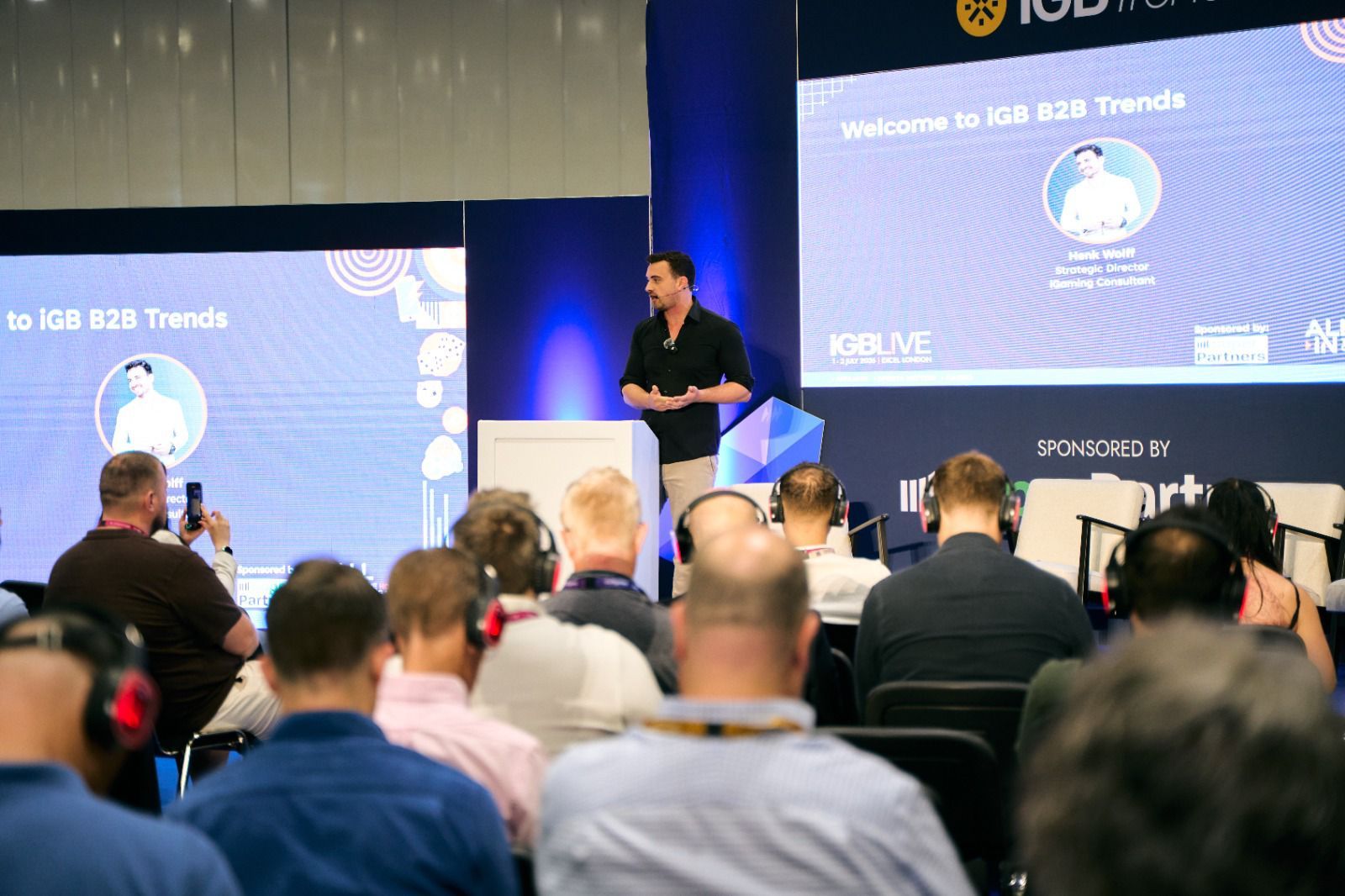
iGB London · 1-2 July 2026
Meet me at iGB London, 1-2 July 2026.
WhatsApp